
History hub
Adaptive Reuse, Explained
Adaptive reuse means giving an existing building a new purpose while keeping some of its physical character, instead of demolishing it and starting over.
In plain language
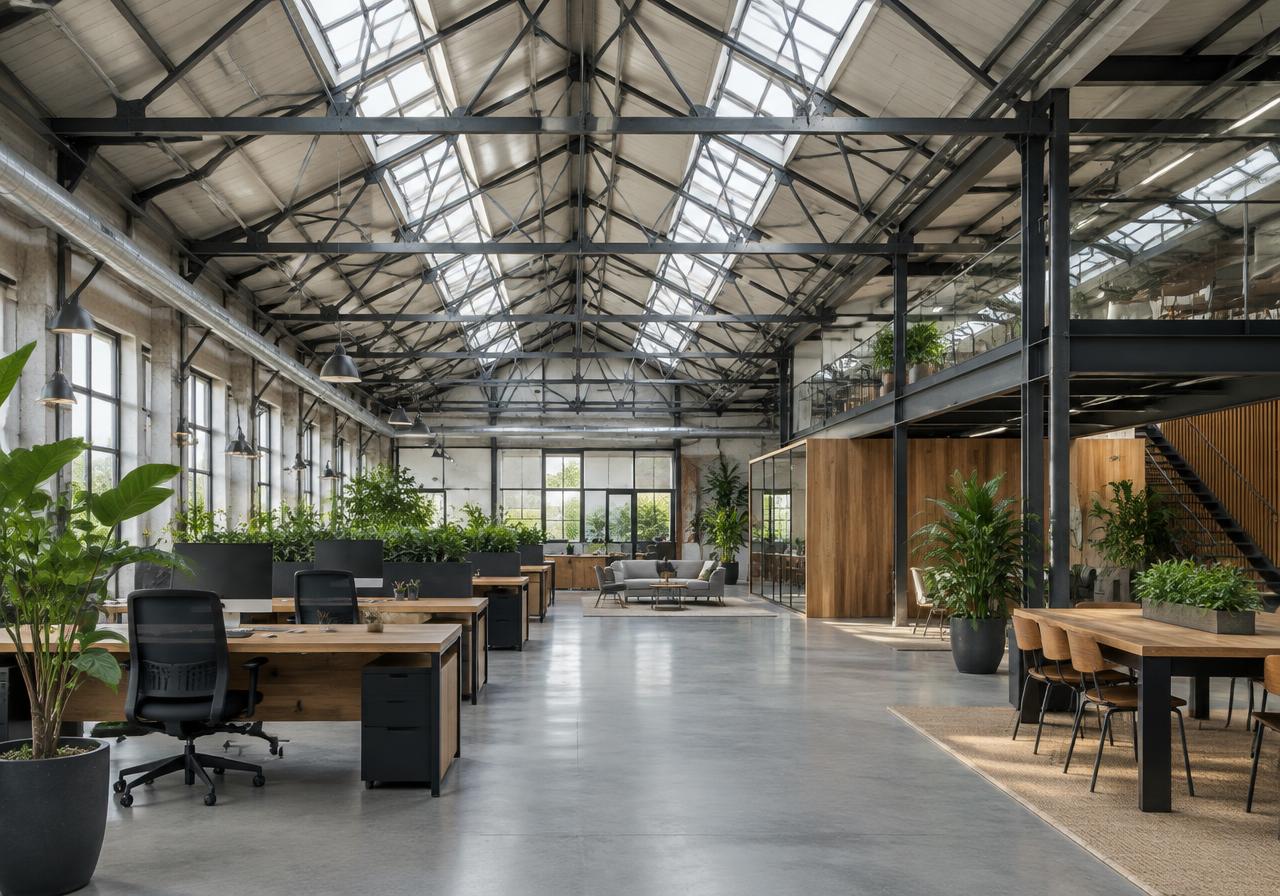
A factory floor becomes offices. A loading dock becomes a row of food counters. A boiler yard becomes a gathering space. The structure stays; the use changes. Done well, the building's history stays visible.
What to notice on a visit
- Steel sash factory windows and the amount of daylight they let in.
- Loading docks, rail-height platforms, and wide openings designed for freight.
- Exposed structure: columns, trusses, and brick that show how the building was made.
- Contrasts between original fabric and new insertions.
What adaptive reuse is not
It is not automatically preservation in a legal sense. A reused building is not necessarily a designated landmark, and reuse decisions are made by owners, not by a historical commission, unless a formal designation applies.
Verification
Facts on this page were checked against official sources on October 18, 2026. Business hours, events, and policies change; always confirm with the official source before you go.
From our network
Reuse at home
Adaptive reuse at the scale of a single house is a renovation project. For a custom home or renovation, explore Peters Custom Homes (opens in a new tab); Charlotte Home Pro (opens in a new tab) collects local project guides.
- Peters Custom HomesCustom Homes & Renovations (opens in a new tab)
- Charlotte Home ProCharlotte (opens in a new tab)
- Emerald Oak DesignInterior Design (opens in a new tab)
These are websites in our network. See all.