
What Adaptive Reuse Means—and What to Notice at Camp North End
A plain-language field guide to old buildings with new jobs.
By North End Charlotte Living Editors · Published October 18, 2026 · Updated October 18, 2026
The idea
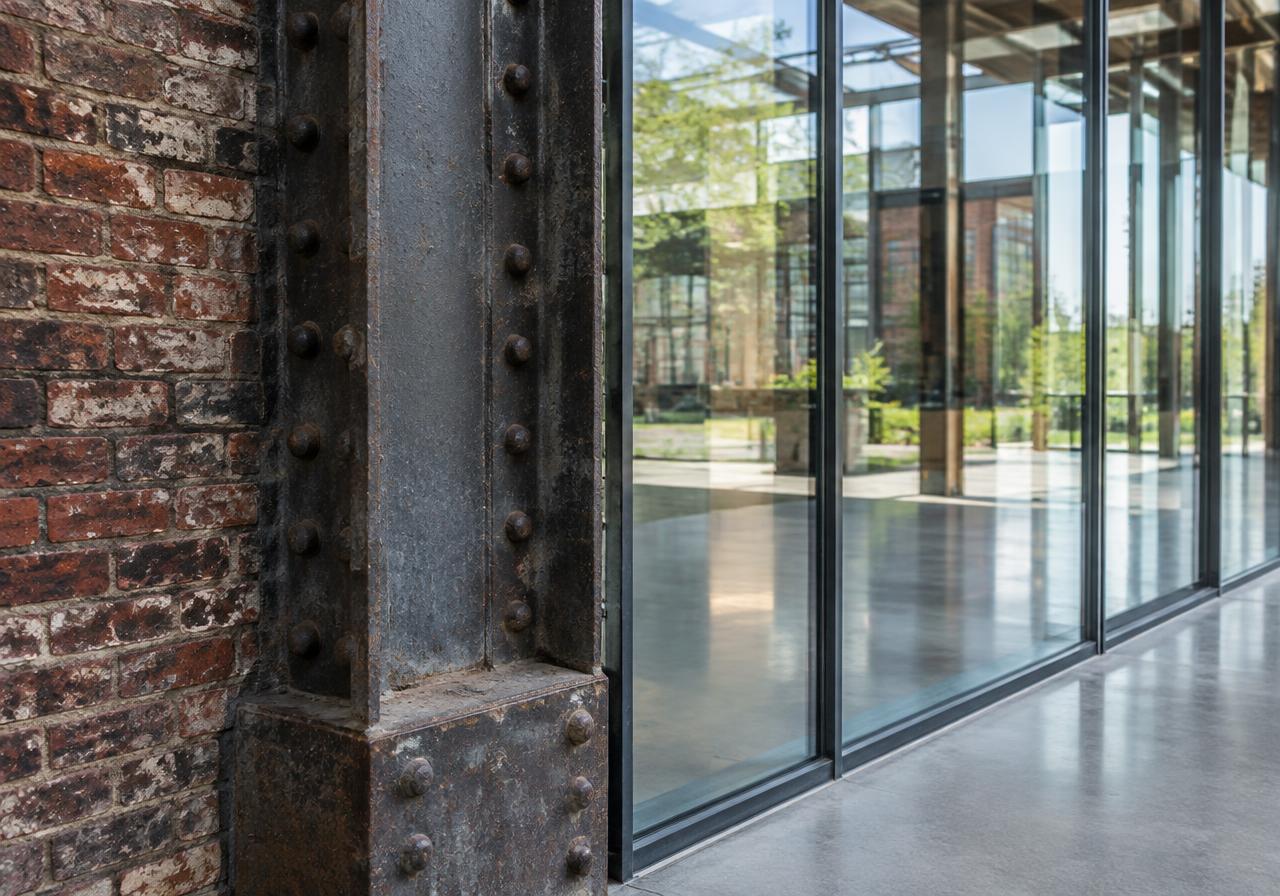
Adaptive reuse keeps an existing building and gives it a new purpose. A factory becomes offices and restaurants; a boiler yard becomes a gathering place.
Five things to look for
- Steel sash windows sized for daylight manufacturing.
- Loading docks at freight height.
- Exposed columns and roof trusses.
- Boilers and the water tower near the Boileryard.
- Where new materials meet old ones.
A caution
Reuse is not the same as legal historic designation. We have not verified landmark status for any campus building.
Next steps
Sources
For more of Charlotte’s past in its built form, Discover Uptown Charlotte (opens in a new tab) covers the center city’s wards and buildings, and NoDa Living (opens in a new tab) tells the mill-district story.
This article contains no firsthand reviews. Spot an error? Send a correction.
More from the Journal
History
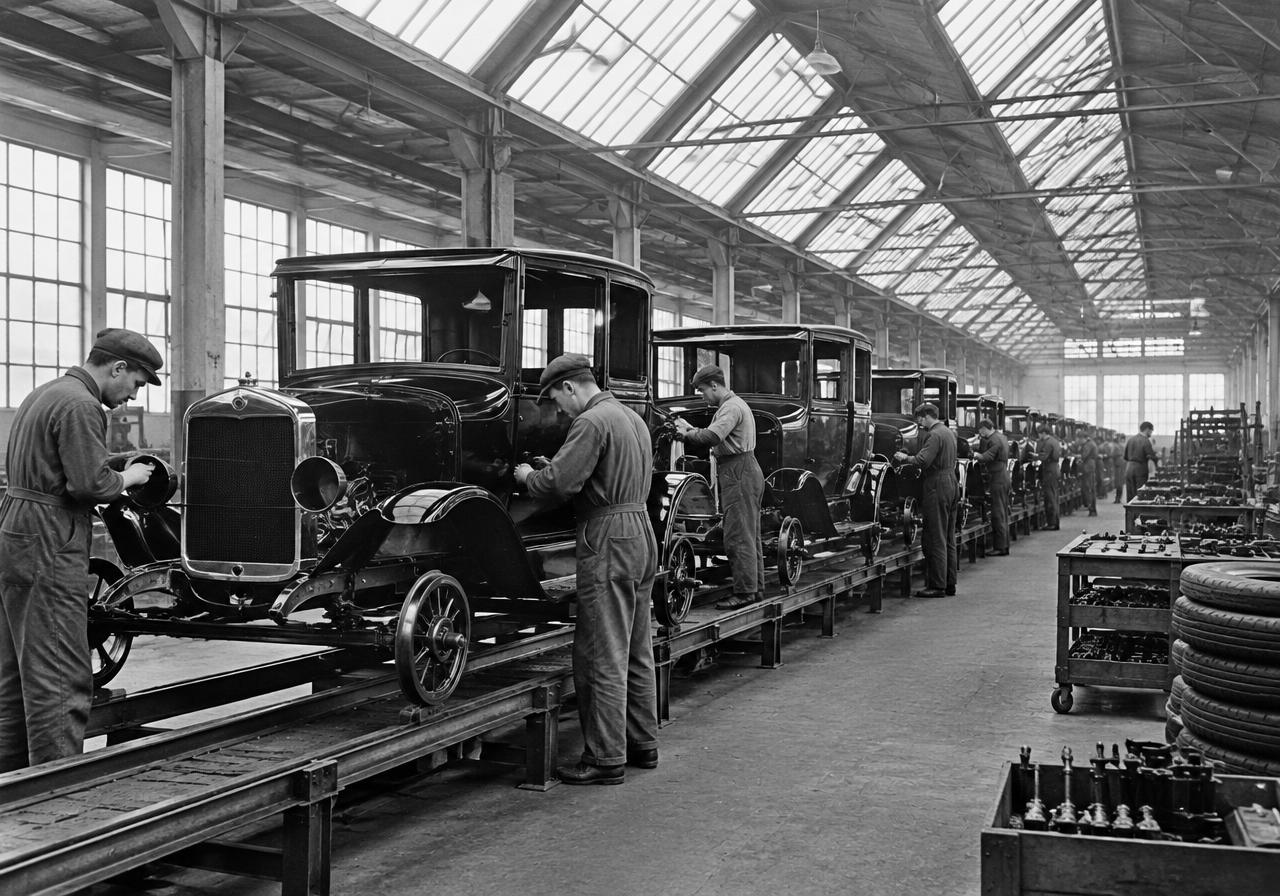
From Ford Factory to Creative Campus: Camp North End’s Industrial History
Model Ts, an Army depot, a missile plant, a pharmacy warehouse — and what remains.

Creative Life
Taking Photos at Camp North End: Rules and Shoot Planning
Planning portraits or a casual photo walk at Camp North End? Learn when approval is required, what to ask, and how to photograph without blocking access.
Visitor Guides
Camp North End, Charlotte: A Complete First-Time Visitor Guide
How the campus works, what to check before you go, and a simple plan for a first visit.
The North End Edit
Verified local discoveries, in your inbox.